You can sell a house with your belongings inside, but it requires clear agreements with the buyer on what stays and what goes. Selling with stuff can be done as-is, furnished, or after partial clearance, and proper documentation is key to avoid disputes. Targeting the right buyers and preparing the home thoughtfully can ensure a smooth sale without lowering its value.

Andrew Manuel Writer
Updated on: .
January 30, 2026


When it is time to sell a house, many homeowners face the challenge of managing all the belongings inside. While some can empty their homes completely before listing, not everyone has the time, energy, or budget to do so. Clearing out a house full of stuff can be a major hurdle, leaving many homeowners wondering: Can I sell my home with all my belongings still inside?
The answer is yes, you can sell a house with your belongings still in it, but it requires agreement with the buyer about what stays, what goes, and who is responsible for any remaining items. The key is finding the right buyers, often those interested in purchasing homes “as-is.” Whether you choose to sell the house fully furnished, partially cleared, or completely as-is, it’s important to understand the process.
In this guide, we’ll explain what it really means to sell a house with stuff in it, the legal considerations, what items typically stay or go, and your options for completing a smooth, legally sound sale.

Selling a house with stuff in it means that the property is being sold along with the owner’s personal belongings. This is different from leaving fixtures or built-in items, which are typically considered part of the home. A house sold “with stuff” usually has limited space for the new owner’s belongings, and it may not be fully cleaned or staged for showings. Essentially, the house still contains items like furniture, electronics, clothes, décor, and other personal items, which the new owners will need to remove, store, or dispose of once they move in. This type of sale often happens in situations where homeowners are downsizing, relocating quickly, or dealing with inherited property that they do not want to maintain.
Selling a house with stuff can influence how buyers perceive the property. Some buyers may see it as convenient, ready-to-move-in living, while others may see it as a burden that requires additional work or cost to clear out. This can slightly affect the cash offer or overall price, as buyers often factor in the effort required to remove unwanted items. Not all buyers are comfortable purchasing someone else’s personal belongings, so clear communication is essential to avoid misunderstandings.

Yes, it is legal to sell a house with belongings inside, as long as both the buyer and seller agree to it and the terms are clearly stated in the purchase contract. In other words, real estate laws generally allow sellers to include personal property in a home sale, with everything disclosed upfront. Your contract should clearly outline which items will remain in the house after closing and which will be removed. If belongings are left behind without a written agreement, it can lead to future disputes, delays, or additional costs for the seller.

When selling a house with stuff in it, understanding what stays and what goes legally is essential to avoid confusion or disputes in the future. In real estate, items are generally divided into fixtures and personal property. Fixtures are permanently attached to the home and are typically included in the sale unless stated otherwise. These usually include built-in cabinets, light fixtures, plumbing fixtures, mounted shelving, and permanently installed appliances. Fixtures can be left behind while selling, and it is not necessary to negotiate and list in writing in the purchase agreement.
Personal property, on the other hand, consists of movable items such as furniture, décor, electronics, clothing, and freestanding appliances. These items are not automatically included in the sale and must be clearly negotiated with the buyer if the seller intends to leave them behind. To prevent misunderstandings, all included or excluded personal properties should be listed in writing in the purchase agreement. Clear documentation ensures both the buyer and seller know exactly what will remain in the home at closing.

When selling a house with stuff in it, homeowners generally have three main options depending on their timeline, budget, and goals. Each option offers different advantages and trade-offs, so choosing the right one depends on how quickly you want to sell and how much effort you’re willing to invest.
Selling a house as-is means the property is sold in its current condition, with no repairs, cleaning, or removal of belongings required by the seller. In this type of sale, the buyer agrees to take the home exactly as it is, including any items left inside, as long as this is clearly stated in the contract. This option is often chosen by homeowners who want a fast and hassle-free sale.
Selling as-is is especially common with inherited homes, distressed properties, or situations where the seller cannot or does not want to invest time or money into clearing out the house. It is most attractive to cash buyers and real estate investors who are prepared to handle clean-out and renovation themselves. While this approach offers convenience and speed, sellers should expect lower offers, as buyers typically factor in clean-up, disposal, and repair costs.
Selling a house furnished means including certain furniture, appliances, or décor as part of the sale without leaving all personal belongings inside. This approach can make the home more appealing to buyers who are looking for a move-in-ready property, such as first-time homeowners, vacation-home buyers, or short-term rental investors. Furnished homes often feel more inviting and can help buyers visualize living in the space.
It’s important to clearly list which items will remain in the house and include them in the purchase contract to avoid any misunderstandings. While selling a furnished home can add value in certain markets, sellers should also price the property appropriately, as the inclusion of furniture or high-quality items can influence the buyer’s offer.
Clearing out belongings before selling is the traditional approach and often results in the highest sale price. By removing furniture, personal items, and clutter, the home appears cleaner, more spacious, and easier for buyers to visualize as their own. This strategy is particularly effective in competitive markets where first impressions during showings can make a big difference.
While clearing out the house requires time, effort, and sometimes additional costs for donations, estate sales, or professional clean-out services, it broadens the pool of potential buyers. Homes that are empty or minimally staged tend to attract more interest from traditional buyers, often leading to faster sales and higher offers compared to selling with belongings left inside.
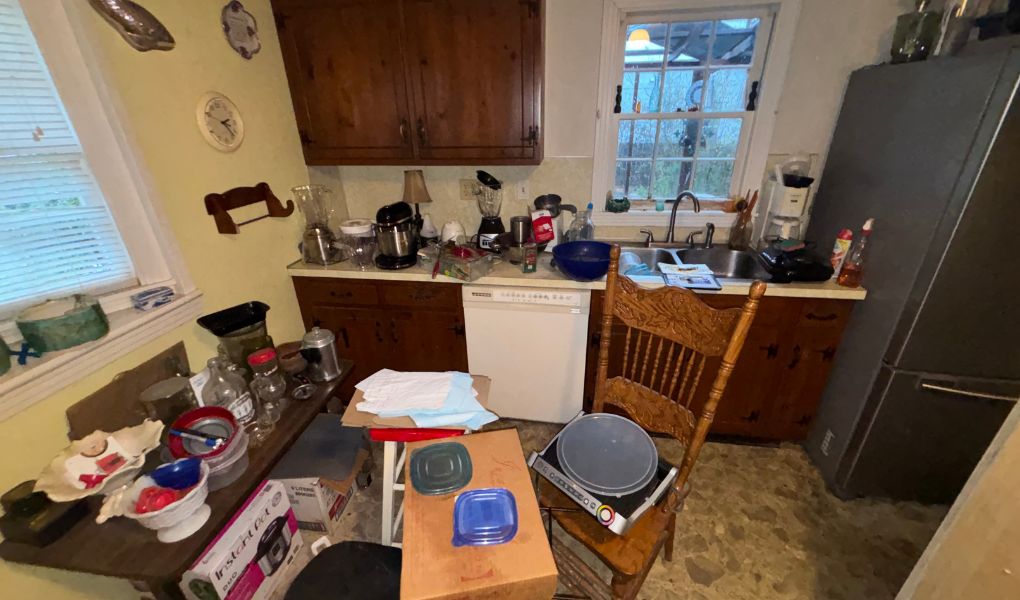
Yes, selling a house with stuff in it can affect its value, both positively and negatively. On the downside, cluttered or outdated belongings can make the home feel smaller, less organized, or less appealing, which may lead buyers to offer a lower price. Buyers often factor in the cost and effort required to remove unwanted items, which can reduce the overall market value of the property.
On the other hand, in some cases, leaving high-quality furniture or desirable appliances can add perceived value, especially for buyers looking for a move-in-ready home or investors interested in short-term rental potential. Ultimately, the impact on value depends on the type and condition of the items, the buyer pool, and how the home is presented. Clear communication and proper documentation of included items in the contract can help mitigate misunderstandings and maintain the property’s value.
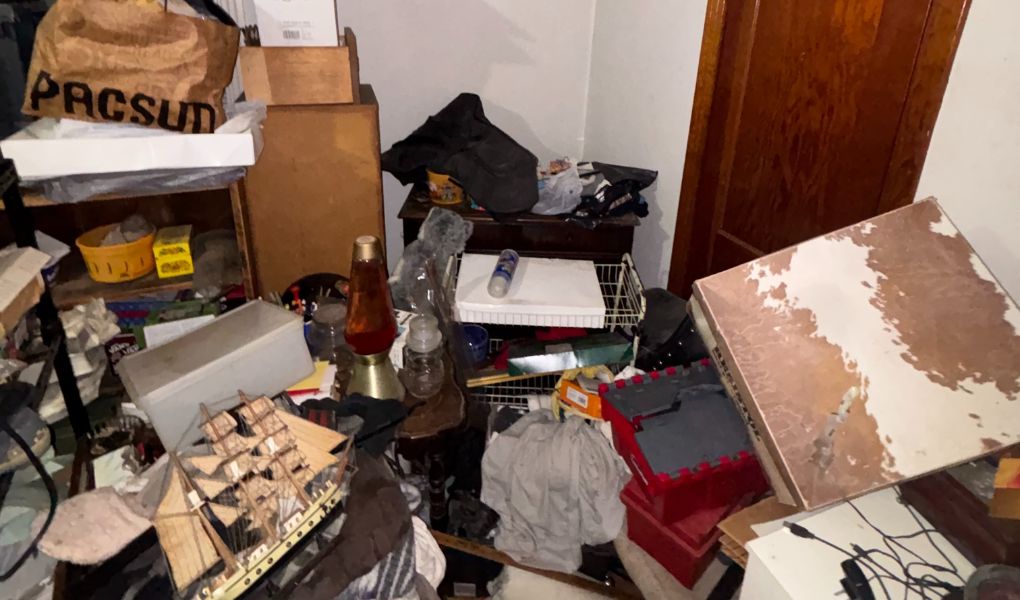
Selling a house with belongings inside can be smooth and profitable when approached the right way. The key is preparation, transparency, and choosing the right selling strategy.
Here are proven tips to help you sell successfully without fully clearing out the home:
Even if you plan to sell with belongings inside, obvious trash, broken furniture, and unusable items should be removed. This improves the home’s appearance and prevents buyers from assuming the property has deeper issues.
Too many items can make rooms feel smaller and darker. Reducing clutter, especially in living areas, kitchens, and bathrooms, helps buyers better visualize the space, even if furniture remains.
Clearly disclose that the home is being sold with items inside. Buyers appreciate honesty, and transparency builds trust while reducing the risk of disputes later in the process.
List all included and excluded items in the purchase agreement. Never rely on verbal agreements; written documentation protects both the seller and buyer and ensures a smooth closing.
Homes sold with contents often attract lower offers due to clean-out costs. Adjust pricing to reflect the condition of the home and the effort required to remove remaining items, especially in as-is sales.
Investors, cash buyers, and landlords are often more comfortable buying homes with belongings inside. Marketing to the right buyer pool can lead to faster offers and fewer negotiations.
If your priority is a fast, hassle-free sale, selling as-is with contents included may be the best option. While offers may be lower, you avoid clean-out costs, repairs, and extended timelines.
Before showings or inspections, remove important documents, personal photos, and valuables. This protects your privacy and prevents potential issues during the selling process.
Real estate investors or cash home buying companies that specialize in as-is purchases can simplify the process. These buyers are prepared to handle clean-out, repairs, and closing quickly.
From included furniture to final clean-out responsibilities, ensure every detail is documented in the contract. Clear paperwork prevents misunderstandings and keeps the transaction on track.
Selling a house with belongings inside is both legal and practical when approached thoughtfully. By understanding what stays and what goes, choosing the right selling option, and clearly communicating with buyers, homeowners can navigate the process smoothly. Whether you sell as-is, furnished, or after clearing out items, careful planning, decluttering, and strategic presentation can protect your sale price, attract the right buyers, and ensure a faster, less stressful transaction. With the right preparation, a home with stuff in it can sell successfully while meeting both the seller’s and buyer’s needs.
If managing the details of a home sale, especially with belongings still inside, feels overwhelming, professional help can make the process much easier. At Manuel Capital, we understand these challenges and offer solutions for homeowners who want to sell quickly, in any condition, and without the hassle of clearing out possessions. Whether you want to sell as-is, with furniture included, or with minimal preparation, we provide fast cash offers, no fees or commissions, and smooth, as-is closings. Contact Manuel Capital today to simplify your home sale and move forward without the stress of managing leftover possessions.
Andrew Manuel Writer


© 2023 Manuel Capital
BACK TO TOP


.jpg)

