Selling a house with foundation issues is possible when you understand the damage, price the home realistically, and target the right buyers. With full disclosure and the right strategy, homeowners can still attract cash buyers, investors, or motivated buyers willing to take on repairs.

Andrew Manuel Writer
Updated on: .
January 29, 2026

.jpg)
If you are a homeowner facing foundation issues, you are probably asking yourself, "Can I even sell my house like this?" or "Will anyone want to buy it?" It is natural to feel overwhelmed when cracks, sloping floors, or sticking doors start raising red flags for potential buyers. The thought of costly repairs, low offers, or a stalled sale can be stressful, but the good news is that a foundation problem does not mean your home is unsellable.
Many sellers do not realize that with the right approach, transparency, and strategy, they can still sell their home with foundation issues successfully. From deciding whether to fix the foundation or sell as-is to pricing realistically and targeting the right buyers, there are proven ways to navigate the process. Cash buyers, investors, and even some traditional buyers can see the potential in a home that others might overlook. This guide will walk you through everything you need to know to sell your house efficiently, even with foundation problems.
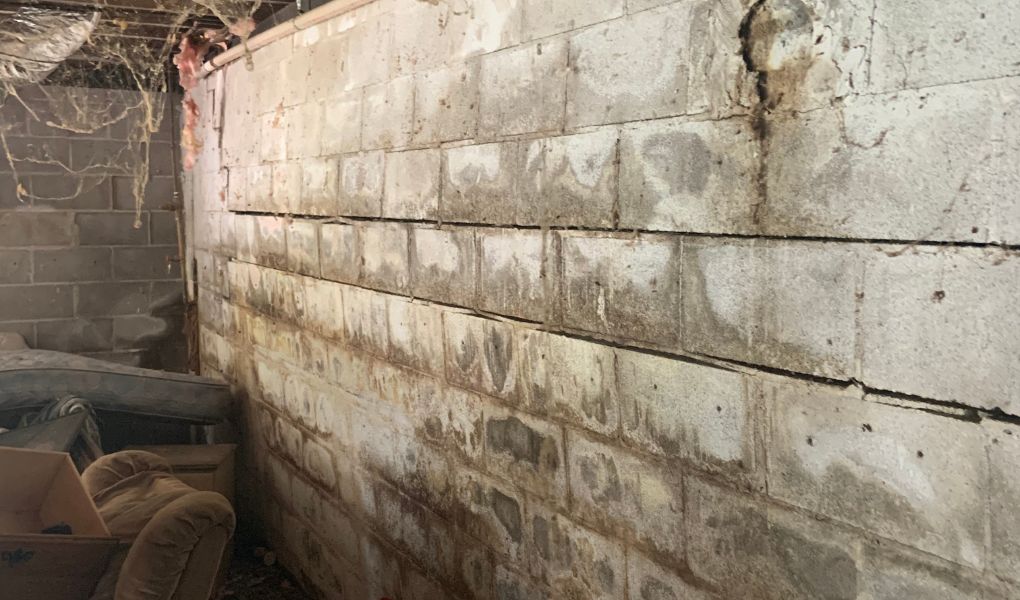
Foundation issues often reveal themselves through visible and functional changes in a home. Recognizing these signs early helps you prepare for inspections and buyer questions.
Not all cracks indicate serious structural damage; however, a professional assessment is essential to determine the severity.
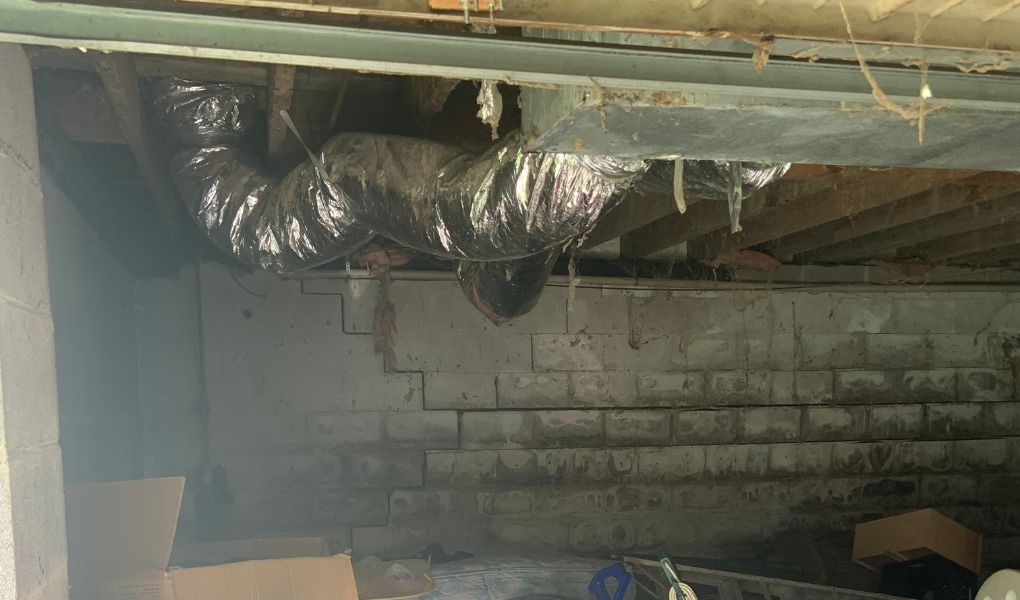
Yes, you can sell a home with foundation damage, and it is completely legal as long as you disclose all known issues to potential buyers. While foundation problems may limit the number of interested buyers, they do not prevent a successful sale.
Many homes with foundation damage are purchased by cash buyers, real estate investors, and house flippers who have experience handling structural repairs. Traditional buyers using mortgage financing may face lender restrictions, as some loans require foundation issues to be repaired before approval. Additionally, buyers often offer a lower price to account for potential safety concerns, repair costs, and future risks.
The key to selling a home with foundation damage is honesty, proper pricing, and targeting the right buyers. When the issue is disclosed upfront and accurately reflected in the price, buyers can assess repair costs realistically and move forward with confidence.
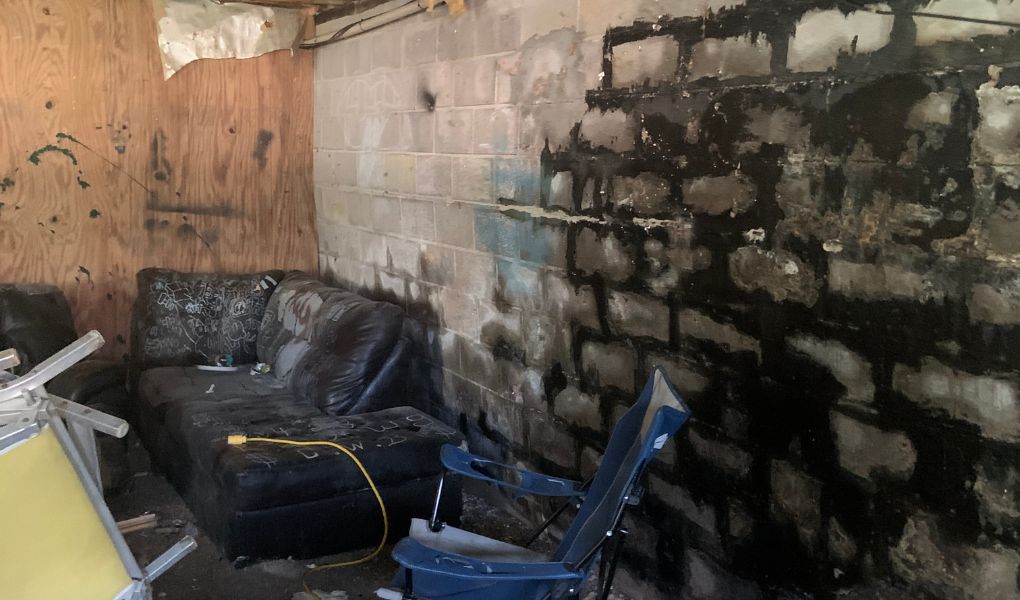
Homes with foundation issues require a smarter selling approach, not a perfect one. When you understand the damage, price correctly, and target the right buyers, selling becomes far more manageable.
These steps will show you exactly how to position your home for a successful sale:
Before selling your home, it’s essential to understand how serious the foundation damage really is. Foundation problems can range from minor cosmetic cracks to major structural issues that affect the safety and stability of the house.
Start by hiring a licensed structural engineer or professional foundation inspector to evaluate the property. A professional assessment will:
Having a detailed inspection report helps you price the home accurately, disclose issues transparently, and answer buyer questions with confidence. It also prevents surprises during the buyer’s inspection, which can delay or derail the sale.
After understanding the extent of the foundation damage, the next step is deciding whether to repair the issue or sell the house as-is. Both options are valid, and the right choice depends on your budget, timeline, and selling goals.
Fixing the foundation may be the best option when the damage is minor or moderate and repair costs are manageable. Making repairs can make your home more attractive to traditional buyers and potentially increase the sale price. In markets where move-in-ready homes are in demand, a repaired foundation can help your property sell faster and with fewer objections. Additionally, completing repairs before listing can make financing easier for buyers, since lenders often prefer homes without structural issues. If you have the time and resources to invest in repairs, this option can maximize your return and reduce negotiation hurdles.
Selling the house as-is may be the best option when foundation damage is severe, costly to repair, or if you need to sell quickly. This approach avoids upfront repair expenses and is often faster, particularly when targeting cash buyers or real estate investors who specialize in homes with structural problems. While selling as-is usually results in a lower sale price, it eliminates the stress, delays, and risks associated with making extensive repairs. This option is ideal for sellers who prioritize speed, simplicity, or need a quick cash sale.
Transparency is critical when selling a house with foundation problems. Buyers need accurate information to make informed decisions, and disclosure is often required by law. Failing to disclose known foundation issues can lead to legal disputes, contract cancellations, or financial penalties after the sale.
What to disclose:
Even if you are selling the home as-is, full disclosure builds trust with buyers and helps the sale proceed smoothly. Providing documentation upfront can also reduce negotiation conflicts and speed up the closing process.
Price your home based on its condition and the cost of foundation repairs. Start by comparing similar homes in your area that do not have foundation issues, then adjust the price to account for repair estimates and buyer risk.
Overpricing will reduce buyer interest and extend time on market, while underpricing can result in unnecessary loss. Homes with foundation problems are typically priced lower to reflect repair costs and limited financing options. Accurate, realistic pricing attracts serious buyers and supports a smoother negotiation process.
If you have repaired the foundation, you can target traditional buyers with the help of a real estate agent, potentially receiving higher offers from a larger pool of buyers.
If you are selling as-is without repairs, focus on buyers who are comfortable handling foundation issues. Target buyers include:
To attract the right audience quickly, highlight the home’s positive features such as location, lot size, or upgrades. Be transparent about the foundation problems and provide inspection reports or repair estimates to serious buyers. Marketing to the right audience increases buyer interest and helps close the sale faster.
When selling a home with foundation issues, expect buyers to request price reductions, repair credits, or other concessions. Use professional inspection reports and repair estimates to support your asking price and justify your terms.
It’s important to stay firm but flexible during negotiations. Be open to reasonable offers while protecting the minimum price you are willing to accept. Clear, honest communication builds trust with buyers and increases the likelihood of a smooth and successful sale. Focus on facts, such as the extent of the damage, any completed repairs, and the home’s positive features, to negotiate effectively and confidently.
After agreeing on all terms, both the buyer and seller should sign the purchase contract. This document outlines the sale price, contingencies, disclosures, and any negotiated repairs or credits related to the foundation issues.
Carefully review the contract to ensure all foundation problems are disclosed, and all deadlines for inspections, financing, and closing are accurate. Once signed, the contract legally binds both parties to proceed with the sale, allowing the transaction to move to the closing stage.
After the purchase contract is signed, the final steps involve completing the transaction and transferring ownership. Ensure that all required disclosures are signed, any conditions in the contract are met, and all agreed-upon documents or inspection reports are provided to the buyer.
Work with a title company or real estate attorney to handle the legal and administrative aspects of closing. This includes signing the closing documents, transferring the property title, and receiving payment. Once these steps are completed, the sale is finalized, and legal ownership of the property transfers to the buyer. Proper preparation and transparency throughout the process help ensure a smooth and dispute-free closing.
%20(1020%20x%20600%20px).jpg)
The timeline to sell a house with foundation issues varies based on the severity of the problem, pricing, and the type of buyer you target.
In general, homes with foundation issues take longer to sell than comparable homes without structural concerns. If the home is priced correctly and marketed to the right audience, it can still sell within a reasonable timeframe.
Typical timelines:
Delays often occur due to inspections, negotiations, or buyer financing issues. Accurate pricing, full disclosure, and targeting buyers experienced with foundation repairs can significantly reduce time on market.
Selling a house with foundation issues to a cash buyer is often the fastest and simplest option. Cash buyers are typically experienced with structural problems and can move forward without the complications that come with traditional financing.
Key benefits of selling to cash buyers include:
While cash offers are usually lower than retail market value, the speed, simplicity, and reduced risk often make this option the most practical choice for homeowners dealing with foundation problems.
Selling a house with foundation issues is challenging but achievable with the right approach. The key is to understand the severity of the damage, being fully transparent with buyers, and choosing whether to repair or sell as-is are key steps. Accurate pricing, proper marketing, and targeting buyers experienced with foundation problems, especially cash buyers or investors, can speed up the sale and reduce stress. While foundation issues may lower the sale price or limit financing options, honesty, preparation, and clear communication ensure a smoother transaction, allowing homeowners to sell confidently and move forward without unnecessary delays or disputes.
If you want to sell your home with foundation issues quickly and without the hassle of repairs, consider working with Manuel Capital. As cash home buyers in Chattanooga, we purchase houses in any condition, as-is, and have successfully bought over 300 homes totaling more than $30 million in transactions. We specialize in helping homeowners facing structural problems, providing fast offers and a smooth closing process so you can move forward without stress or delays.
Don’t wait and risk more damage or lost value. Reach out to Manuel Capital now and sell your home for cash fast.
Andrew Manuel Writer


© 2023 Manuel Capital
BACK TO TOP


.jpg)

