You can sell a house with a 20-year-old roof without major setbacks if you plan carefully and understand your options. Whether you repair, replace, or sell as-is, transparency and the right pricing strategy make all the difference. Working with cash buyers or targeting the right buyers can help you sell quickly and confidently, even with an aging roof.

Andrew Manuel Writer
Updated on: .
December 9, 2025
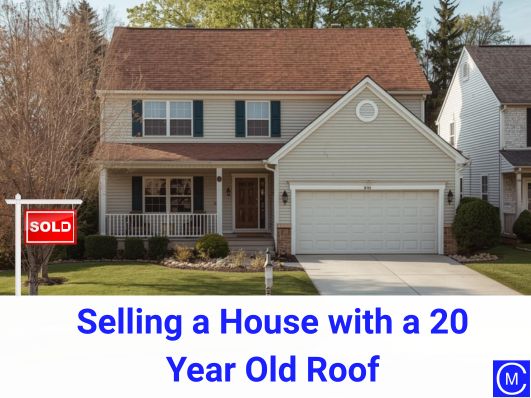
Selling a house with a 20-year-old roof might feel like a major setback, but it doesn’t have to be. We’ve met countless homeowners who were convinced their aging roof would ruin their chances of selling, only to discover that buyers are often far more flexible than they expected. In fact, some of the easiest, fastest sales we’ve been involved in were homes with roofs well past the 20-year mark. What made the difference wasn’t a brand-new roof; it was the seller’s strategy, transparency, and understanding of what buyers actually care about.
If you’re worried that a 20-year-old roof might scare off potential buyers, there’s no need to stress. With the right approach, you can still sell your home smoothly and confidently. In this guide, we’ll cover the red flags inspectors look for in an older roof, how roof age affects sale, your options for repairs or selling as-is, and the best strategies to make sure your home attracts strong offers, even with a roof showing its age.
A 20-year-old roof is near the end of its typical lifespan, making it a key focus during home inspections. Common red flags include leaks or water stains, which may indicate structural issues, and curling, cracked, or missing shingles, which leave the home vulnerable to damage. Granule loss reduces shingle protection, while damaged flashing around chimneys and vents can cause leaks. Moss, mold, or algae growth suggests poor maintenance and trapped moisture, and soft spots or sagging areas may signal long-term water damage. Finally, poor attic ventilation can shorten the roof’s lifespan and promote mold.
A professional roof inspection can identify these issues early and determine the extent of damage, helping sellers address minor problems, reassure buyers, and improve the chances of a smooth sale.
Selling a home with an older roof can raise concerns for both buyers and appraisers. Many buyers associate an older roof with potential safety issues or future repair costs, which can influence their perception of move-in readiness. Appraisers also consider the remaining lifespan of a roof when determining home value. This can result in a lower appraised value, and during negotiations, buyers may use the roof’s age as leverage to request credits, repairs, or a price reduction.
Insurance and financing are additional considerations. Lenders and insurers often view aging roofs as higher risk. Banks may delay or deny loans if a roof is near the end of its life, and insurance companies may raise premiums or even refuse coverage. Without insurance or lender approval, financed buyers may be unable to close, leading some to switch to cash offers instead.
Yes, you can sell a house with a 20-year-old roof, as long as you’re upfront about its condition and use the right pricing and negotiation strategy. Many homeowners across the U.S. have successfully sold their homes under similar circumstances, and we have purchased numerous homes with 20-year-old or older roofs in Chattanooga, TN, and surrounding areas. The key is knowing how to position your home and connect with the right buyers.
While older roofs can raise questions for potential buyers, the right strategy can prevent these concerns from slowing down your sale. By being transparent about the roof’s condition, highlighting other strengths of your home, and targeting buyers comfortable with older roofs, such as cash buyers or investors, you can sell confidently and often faster than expected.
With careful planning, what may seem like a challenge can easily become a manageable step in the selling process.
Before deciding whether to repair, replace, or sell your house as-is, it’s important to schedule a professional roof inspection. The roof inspector will evaluate the roof’s condition and let you know if it needs repairs or a full replacement. If the roof is old but still in good shape, you may not need to make any repairs at all.
Once you have the inspection results, you can make an informed decision on whether to proceed with repairs, replacement, or selling the home as-is.
If a professional inspector finds that the roof issues are minor, like missing shingles, small leaks, or damaged flashing, repairing the roof can be a simple and cost-effective way to address them. These targeted repairs can extend the roof’s lifespan and improve its appearance, making the home more appealing to potential buyers. The main advantage is the lower upfront cost, and in many cases, repairs are sufficient to satisfy both buyers and inspectors. However, repairs may not completely eliminate buyer concerns if the roof still looks aged or worn, even after the work is completed.
A professional inspector can determine whether the roof is near the end of its lifespan or has significant issues that can’t be repaired. In these situations, replacing the roof is the most expensive option, but it also delivers the biggest visual and structural impact. A new roof can dramatically improve curb appeal, reassure buyers that they won’t face major roofing expenses anytime soon, and potentially lead to higher offers and a faster sale. However, roof replacement comes with a significant upfront cost, often ranging from $10,000 to $25,000+, depending on the home’s size and the roofing materials. And while a new roof can boost your home’s resale appeal, it rarely provides a dollar-for-dollar return on investment. In other words, even after replacing the roof, the added value typically does not fully cover what you spent on the replacement.
If a professional inspector identifies that the roof has issues but repairs or replacement are not feasible, selling the house as-is allows you to list and close without completing any roof work. This option is ideal for homeowners who want a quick sale or who lack the budget for improvements. As-is homes often attract cash home buyers or investors who are comfortable handling renovations themselves. The main benefit is avoiding repair costs and potential inspection delays. However, selling as-is may limit your buyer pool and result in lower offers, since buyers will factor in the cost of roof replacement when making their bids.
When selling a home with a 20-year-old roof, it’s important to be transparent about the condition of your roof. Most states require sellers to disclose known issues, including leaks, damage, or age-related concerns. Failing to disclose roof problems can lead to legal complications or even lawsuits after the sale.
Providing full disclosure builds trust with buyers and can make the selling process smoother. Common ways to handle this include:
Being proactive with disclosure helps prevent surprises, supports a fair sale, and can even reassure buyers who might be concerned about an older roof.
If you’re selling your home without repairing or replacing the 20-year-old roof, offering a buyer credit or adjusting the sale price can help keep your property competitive. This allows buyers to handle any necessary roof work themselves while feeling confident they’re getting a fair deal.
A credit at closing can cover the estimated cost of a new roof, giving buyers the flexibility to choose their preferred materials and contractors. This approach can attract a broader range of buyers, including those looking for “as-is” homes or investors seeking renovation opportunities, while helping you sell your home with an old roof more quickly and smoothly.
Effectively marketing a home with a 20-year-old roof requires highlighting its strengths while addressing potential buyer concerns upfront. Focus on what makes your property appealing, such as location, layout, upgrades, or curb appeal, to balance the perception of an older roof.
Consider these strategies:
A thoughtful marketing approach builds buyer confidence, reduces negotiation friction, and increases the likelihood of a faster sale, even with an older roof.
When your home has a 20-year-old roof, selling to a cash buyer like Manuel Capital is one of the simplest and most stress-free options. Cash buyers typically purchase homes in any condition, which means you can avoid the hassles of repairs, inspections, or last-minute financing issues.
Here are some key benefits:
For homeowners wanting a smooth, fast sale without dealing with roof-related challenges, selling to a cash buyer offers a reliable, hassle-free solution.
Selling a home with a 20-year-old roof is entirely possible with the right strategy. By understanding your options, whether repairing, replacing, or selling as-is, being transparent about the roof’s condition, and targeting the right buyers, you can sell confidently and efficiently. Offering price adjustments or credits can address buyer concerns, while marketing your home’s other strengths helps maintain its value.
For homeowners who want to simplify the process even further, a fast, hassle-free sale is possible by working with a reputable cash buyer like Manuel Capital. At Manuel Capital, we buy houses in Chattanooga and the surrounding areas in any condition, including a roof that is 20 years old or 100 years old. We provide cash offers fast, all-cash closings with no fees, commissions, or required repairs. Whether you’re looking to avoid stress, save time, or get a fair cash offer without delays, Manuel Capital is here to help you move forward on your terms.
Contact us now for a smooth, straightforward selling experience.
Andrew Manuel Writer


© 2023 Manuel Capital
BACK TO TOP


.jpg)

